Co-Op Horror Comparison: Invokyr vs The Genre
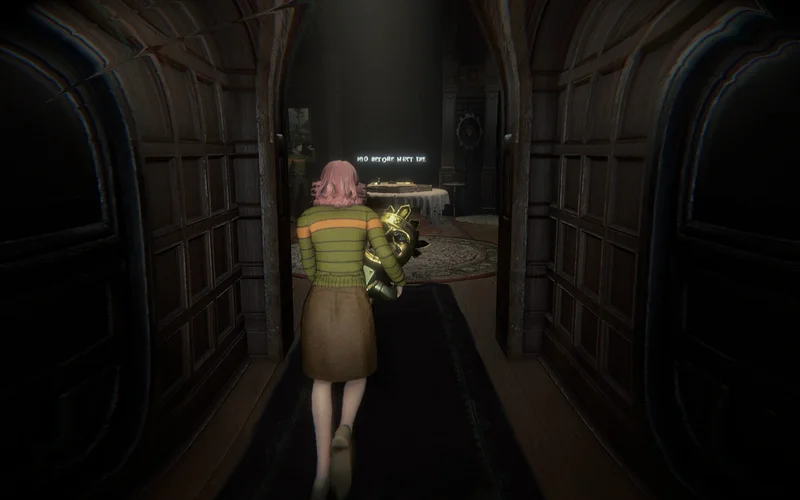
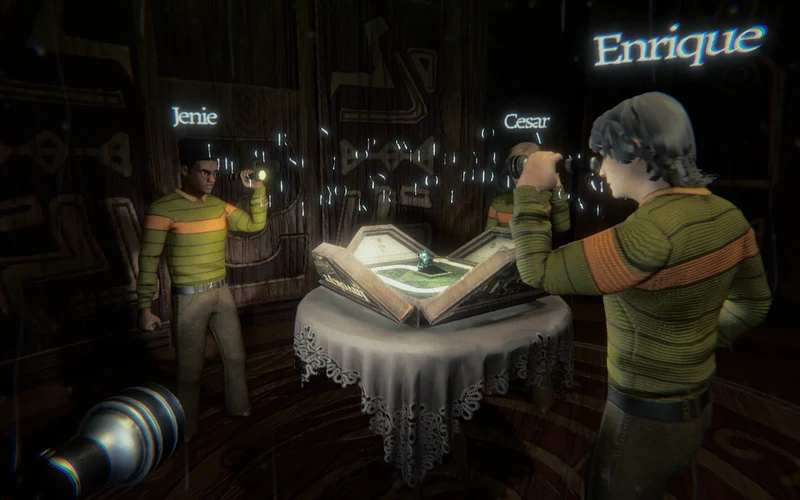
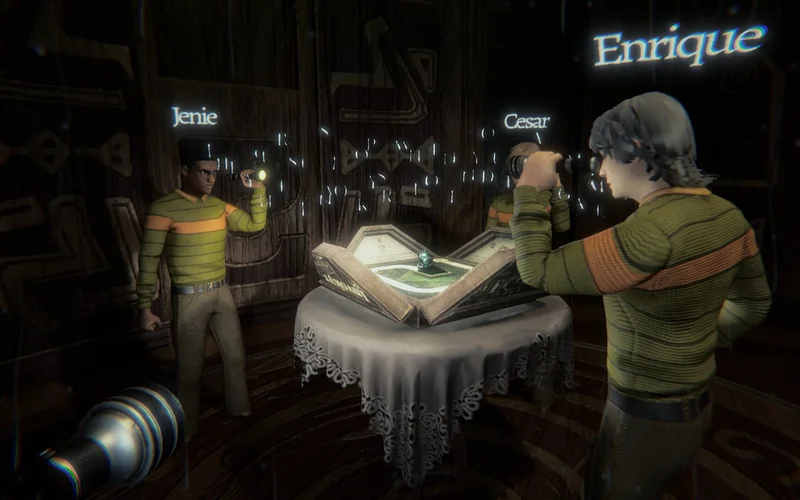
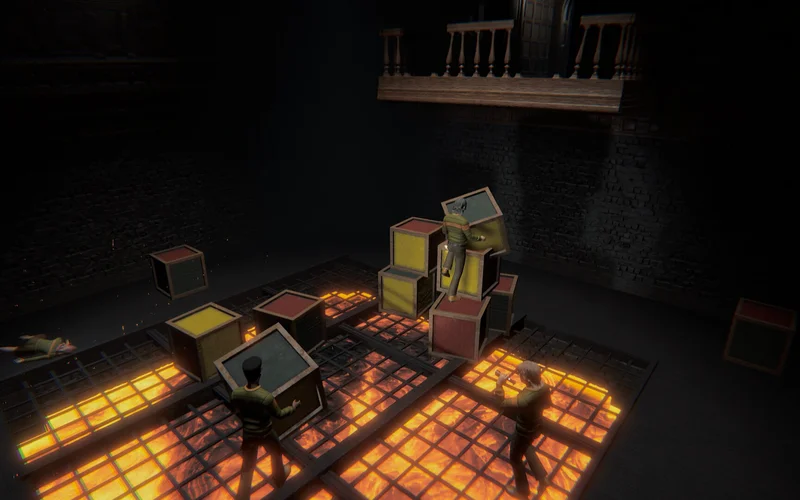
The cooperative survival horror space has expanded dramatically with standout titles such as Lethal Company and R.E.P.O.. Often described by players searching for a “Lethal Company board game” hybrid, Invokyr shares the visceral tension of navigating dark environments alongside friends while introducing distinct tabletop priorities that fundamentally alter player strategy. Instead of an extraction looter, Invokyr functions as a supernatural tabletop survival nightmare—blending psychological dread with high-stakes board game progression.
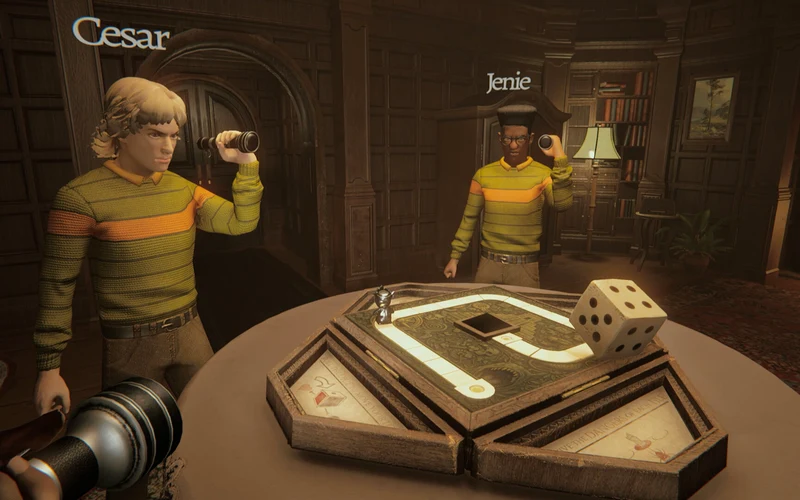
- “On the table sits a 1970s board game… Escape is possible but only if you play.”
- “Beat the Gamemaster: Play the game and survive the unpredictable terrors, traps, and curses that are summoned.”
| Architectural Dimension | Invokyr (Boardroom Horror) | Lethal Company (Corporate Scrap) | R.E.P.O. (Physics Extraction) | Strategic Gameplay Impact |
|---|---|---|---|---|
| Primary Objective | Advance board game track to escape | Salvage scrap to meet profit quota | Extract high-mass contract items | Board progress replaces countdown timer |
| Pacing Driver | Player-initiated board dice rolls | Environmental clock ticking to midnight | Escalating facility security alarms | Squads control when crisis events trigger |
| Progression Asset | Consumable single-use dice | Marketable industrial scrap items | Salvaged repo assets and tech mods | Every roll permanently expends resources |
| Lobby Capacity | Up to 6 players online co-op | Up to 4 players (unmodded) | Up to 4 players online | Permits specialized defensive team roles |
| Antagonist AI | The Gamemaster (event-driven) | Independent ambient monster logic | Security automatons and horrors | Dynamic supernatural curses alter rooms |
| Meta Economy | Persistent score spent in Shop | Temporary ship upgrades per quota | Contract payouts and tool unlocks | Permanent account upgrades reduce wipe rate |
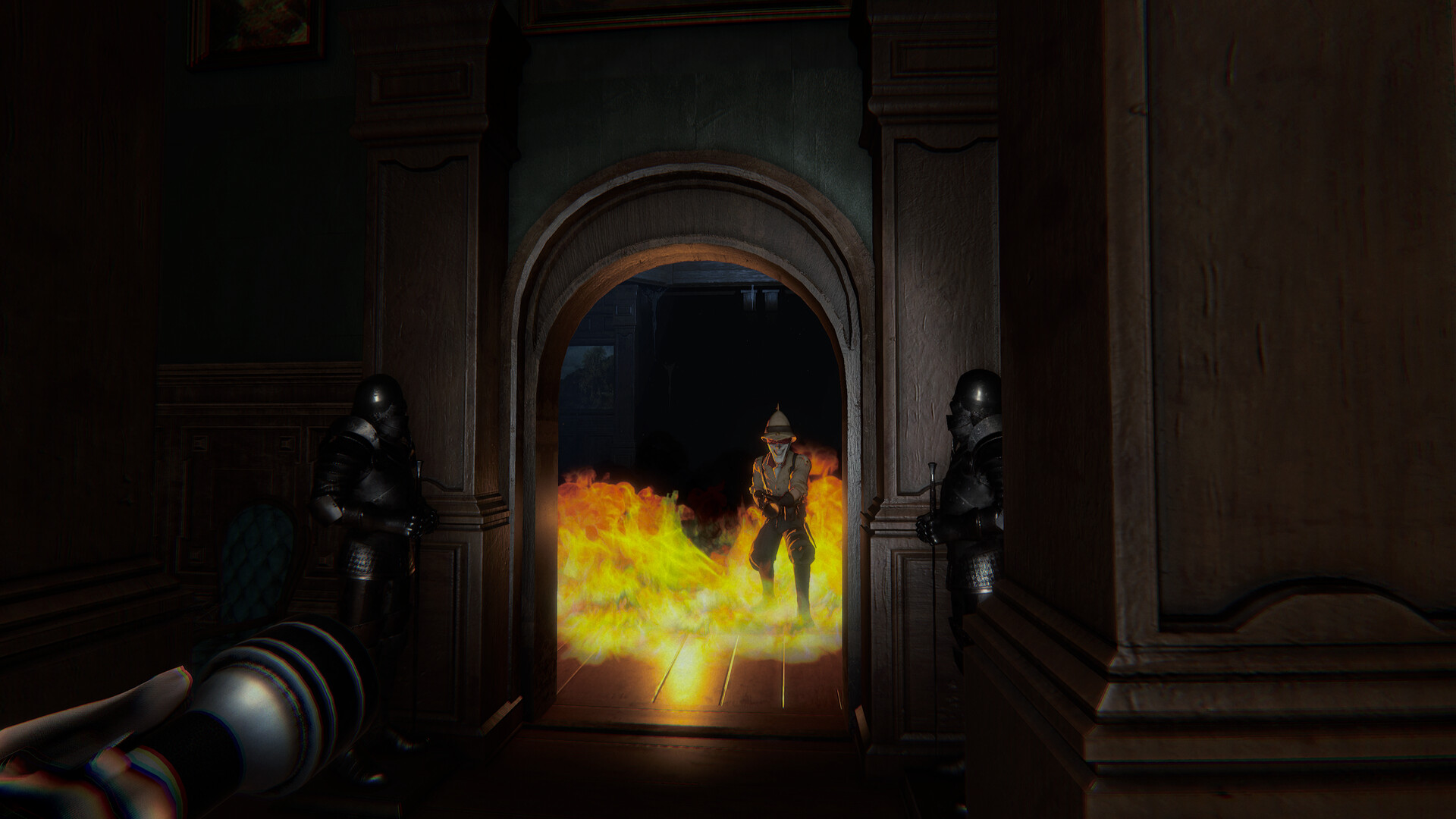
From an operational standpoint, this macro comparison proves that Invokyr replaces the passive time anxiety of traditional extraction games with active decision-making tension. In Lethal Company, the ticking clock relentlessly forces players out of the facility regardless of tactical preparation. In Invokyr, the primary threat clock is governed by the players themselves; monsters manifest primarily when dice are rolled at the central table. This unique pacing enables squads to thoroughly secure their perimeter before voluntarily triggering the Gamemaster’s chaotic event checks.
1. Objective Architecture: Tabletop Progression vs Quota Extraction
Understanding how winning conditions diverge between Invokyr and established extraction titles dictates squad tactical orientation.
1.1 Why Board Progress Replaces the Traditional Extraction Clock
In quota horror, players measure success by monetary value extracted. In Invokyr, survival is measured in tiles traversed along the board.
| Victory Parameter | Invokyr Specification | Quota Extraction Standard | Operational Guidance |
|---|---|---|---|
| Extraction Trigger | Reaching the final board tile | Returning to spaceship before midnight | Escort roller to board room |
| Intermediate Rewards | Golden idols boost Shop score | High-tier scrap covers daily quota | Collect idols only when secure |
| Session Termination | Complete board run or total squad wipe | Time runs out or all crew perish | Never leave downed teammates early |
| Failure Penalty | Board progress resets to starting tile | Ship leaves; team fired into vacuum | Regroup and spend score in Shop |
| Extraction Vector | Final door opens upon board victory | Physical sprint to landed dropship | Hold defensive line at exit door |
Analyzing these distinct victory parameters illustrates why traditional scrap-running habits get extraction veterans killed in Invokyr. In quota-driven titles, players can choose to extract early with partial loot to survive another day. In Invokyr, partial completion yields zero escape; you must see the board trial through to its final tile. This all-or-nothing requirement demands that squads invest their resources into survivability and defense rather than pure scavenging speed. Committing fully to long-term defensive survivability ensures that squads maintain the necessary endurance to finish late-game board pushes.
2. Resource Scarcity: The Single-Use Dice Economy
Resource management in Invokyr centers on consumable movement assets rather than disposable tools.
2.1 The Single-Use Dice Economy vs Quota Farming
Scouring the house for dice creates an entirely different inventory dynamic compared to carrying flashlights and scrap metal.
| Resource Category | Invokyr Mechanics | Conventional Extraction System | Squad Management Strategy |
|---|---|---|---|
| Movement Fuel | Single-use dice found in rooms | Character stamina and sprint meters | Consolidate dice with primary roller |
| Tactical Gadgets | Purchased permanently in Shop | Purchased consumables lost on wipe | Invest in reusable squad tools |
| Special Powers | Dice granting heal, hide, hinder | Stun grenades, boomboxes, radars | Hold powers for boss encounters |
| Carry Restrictions | Limited slots; idols require two hands | Slot limits and carry weight penalties | Pair idol carriers with armed escorts |
| Discovery Mechanics | Physical items hidden on furniture | Scrap highlighting via scanning tools | Visually inspect room shelves closely |
Evaluating the consumable dice economy demonstrates that inventory management in Invokyr is tightly linked to board momentum. In conventional extraction titles, gear can be dropped or retrieved from fallen comrades without penalty. In Invokyr, losing a scout carrying multiple dice severely sets back board progression, as those dice remain in dangerous unmapped sectors. Squads must establish a relay system where forward scouts promptly transfer standard dice to rear runners to prevent resource lockouts. Maintaining this inventory rotation keeps essential movement assets protected even when forward scouting units encounter sudden ambushes.
3. Threat Orchestration: The Gamemaster vs Ambient Spawns
How monsters manifest into the game world represents the sharpest design distinction between Invokyr and its peers.
3.1 Managing Gamemaster Event Spikes vs Ambient Spawn Budgets
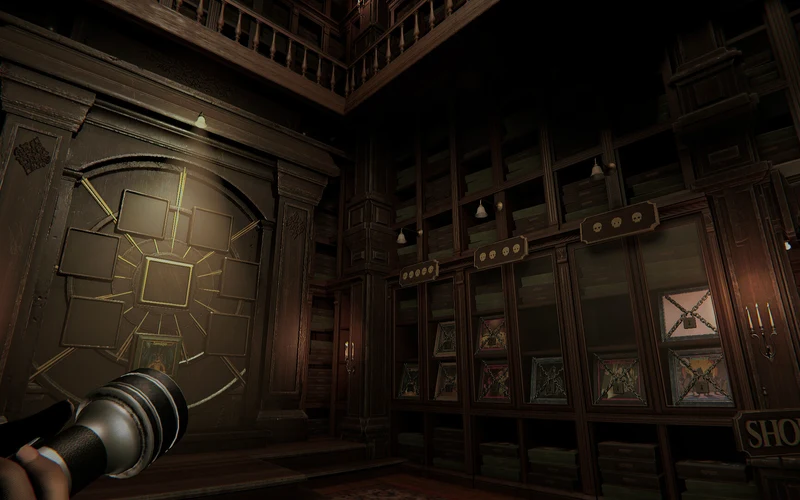
Rather than relying on passive time-based monster spawn tables, Invokyr channels danger through the whims of the Gamemaster.
| Hazard Engine | Invokyr (The Gamemaster) | Lethal Company (Indoor Spawn Budget) | Tactical Countermeasure |
|---|---|---|---|
| Summon Trigger | Physical dice rolls at board table | Time progression throughout the day | Secure doors prior to rolling dice |
| Threat Diversity | 15+ monsters & 20+ supernatural events | ~10 facility monsters & weather hazards | Learn specific acoustic warning cues |
| Biome Shifts | Dynamic transformations (Jungle, Yeti) | Fixed facility layouts and weather | Adapt footwork to ice and vegetation |
| Room Lockouts | Doors slam and seal during events | Steam leaks and blast doors | Keep secondary exit paths identified |
| Aggro Reset | Line-of-sight breaking and hiding dice | Terminal teleporters and outdoor escape | Break line of sight behind corners |
Dissecting these threat engines proves that managing risk in Invokyr is entirely proactive. In titles with ambient spawn budgets, staying inside the complex increases danger automatically, forcing hasty withdrawals. In Invokyr, danger spikes in sharp, predictable bursts whenever a die is cast at the board table. Squads that prepare for these spikes by placing defenders at room thresholds and verifying escape lockers consistently survive encounters that would wipe undisciplined groups. This operational control over crisis timing represents the single most significant tactical advantage available to coordinated teams.
4. Co-Op Architecture & Six-Player Party Dynamics
Invokyr supports up to six players in online co-op lobbies, fundamentally altering team communication and task allocation.
4.1 Six-Player Squad Scaling: Role Division from 4-Player Titles
With two additional teammates compared to standard four-player co-op horror, squads can implement sophisticated specialized roles.
| Squad Specialization | Core Objective | Recommended Gear / Dice | Operational Positioning |
|---|---|---|---|
| Table Anchor | Manage board pieces and roll dice | Standard numeric movement dice | Stationed in central board chamber |
| Lead Scout | Sweep uninspected rooms for dice | Hiding Die for emergency escape | Forward vanguard in unexplored wings |
| Dice Courier | Transport dice from scout to anchor | Numeric dice; light defensive tool | Mobile liaison between wings and hub |
| Entity Decoy | Lure Gamemaster summons away | Hindering Die and stamina tools | Patrolling central hallway loops |
| Squad Support | Maintain visual watch and callouts | Flash gadgets or navigation aids | Stationed at major corridor junctions |
| Combat Medic | Execute downed teammate rescues | Healing Die and medical utility | Trailing behind exploration units |
Analyzing six-player squad dynamics reveals that larger lobbies require stricter voice discipline. In four-player games, chaotic cross-talk can be tolerated; in a six-player match, overlapping radio chatter masks the subtle audio cues of approaching monsters like the Yeti or Cocoon Lurker. Assigning specific callout protocols and delegating clear spatial zones prevents squad clustering and ensures that returning couriers always find the central board room properly secured. Maintaining clear communication channels allows multi-squad formations to respond instantly to unexpected Gamemaster curses across deep wings.
Broader genre comparisons and market positioning notes are cross-referenced on the Invokyr Wiki hub.
5. Transition Protocol for Extraction Horror Veterans
Veterans transitioning from Lethal Company or R.E.P.O. must unlearn several counter-productive instincts.
| Traditional Extraction Habit | Common Veteran Mistake | Correct Invokyr Tactical Protocol | Strategic Justification |
|---|---|---|---|
| Rushing Against Clock | Sprinting carelessly through corridors | Methodical walking with listening stops | Sprinting alerts acoustic predators |
| Solo Scrap Runs | Exploring isolated wings alone | Moving in coordinated two-player pairs | Downed solo scouts cannot be rescued |
| Ignoring Table Room | Leaving central hub completely empty | Maintaining a permanent board anchor | Prevents sudden ambush at the table |
| Hoarding Consumables | Saving all utility dice for next run | Deploying utility dice during crisis | Dice do not carry over between runs |
| Premature Extraction | Trying to escape with partial progress | Committing to full board completion | Only reaching final tile unlocks exit |
Reviewing this transition protocol highlights why extraction veterans frequently struggle during their first Invokyr sessions. The instinct to sprint through rooms grabbing loot must be replaced by disciplined reconnaissance and spatial control. In Invokyr, surviving the mansion is not a sprint against the sun, but a methodical tabletop campaign where patience, door control, and synchronized dice rolling dictate who escapes the Gamemaster’s grasp. This deliberate tactical pacing rewards calculated teamwork over reckless speed. Adapting your team’s tactical philosophy to prioritize patience and territory control is the essential prerequisite for consistent board escape.
Deduction based on genre-standard tactical psychological horror, extraction, and tabletop survival mechanics; subject to release verification.
6. Official Video Forensics & Verification Status
6.1 Official Video Forensic Verification & Trailer Status
Official Steam community announcements reference the “Invokyr - Official Early Access Release Date Trailer” published on September 8th, 2026. However, in strict accordance with site forensic integrity standards, third-party YouTube mirrors and unverified external uploads are intentionally omitted from this guide. Only verified official developer feeds and direct Steam store multimedia assets are referenced to ensure zero broken embeds or unauthorized content distribution.
Frequently Asked Questions (FAQ)
Why do players call Invokyr a “Lethal Company board game”?
Invokyr combines the first-person cooperative room scavenging and proximity voice tension of Lethal Company with a central 1970s cursed board game where squads roll single-use dice to move their pieces and escape.
How does Invokyr differ from Lethal Company?
Invokyr centers on advancing along a cursed physical board game by finding single-use dice, whereas Lethal Company focuses on collecting scrap against a strict clock.
What is the player lobby limit in Invokyr?
Invokyr supports up to 6 players in online co-op lobbies, compared to the 4-player cap standard in unmodded Lethal Company and R.E.P.O.
Is there an environmental countdown timer in Invokyr?
No. Threat escalation is driven by player actions at the board table, giving squads control over when Gamemaster summon events occur.
Do items and dice carry over between sessions?
No. Dice and in-run items reset between matches, but score earned from successful runs can be spent in the persistent Shop for permanent upgrades.
Can monsters spawn without rolling the dice?
Yes. Ambient roaming predators patrol the mansion biomes, but major event terrors and room curses are primarily triggered by rolling at the board.
What role does the Gamemaster play?
The Gamemaster is the primary antagonist ruling the abandoned house, manifesting supernatural events, altering rooms, and summoning unique predators.