1. Core Dice Management & Collection Protocols
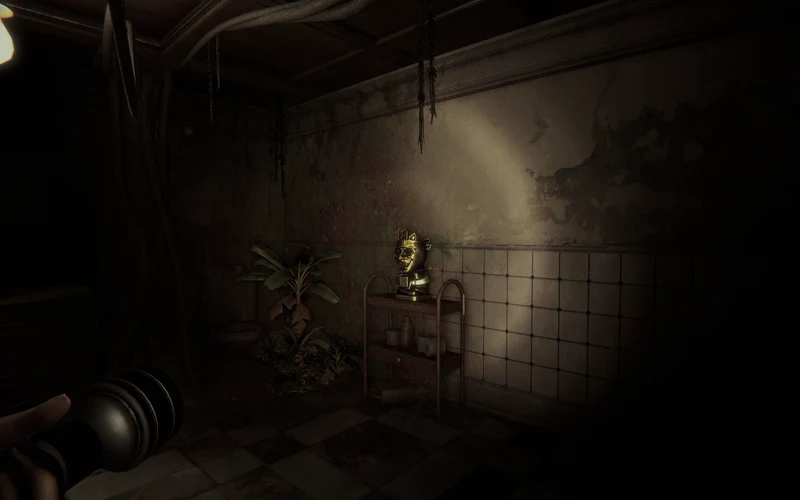
Mastering Invokyr begins with understanding the central resource economy: single-use dice. Every die recovered from the estate’s dark corridors represents both forward board advancement and potential supernatural peril. Developing disciplined habits around how and when your squad collects, pools, and rolls dice is the single most important factor determining whether your team escapes or falls to the Gamemaster.
| Operational Discipline | Standard Rookie Mistake | Elite Squad Tactical Protocol | Expected Survival Benefit |
|---|---|---|---|
| Dice Recovery | Rolling dice immediately upon finding them | Pooling dice at table before rolling | Coordinated squad readiness |
| Special Dice Usage | Burning special dice on low-threat tiles | Reserving special powers for crisis turns | Critical defensive fallback |
| Room Sweeping | Rushing into deep unmapped biomes early | Systematically clearing near wings first | Secure retreat pathways |
| Inventory Sharing | Hoarding dice in single operative pockets | Distributing dice across buddy pairs | Prevents complete loss on death |
| Roll Timing | Rolling while squadmates are scattered far | Gathering within defensive perimeter | Rapid assist on bad summons |
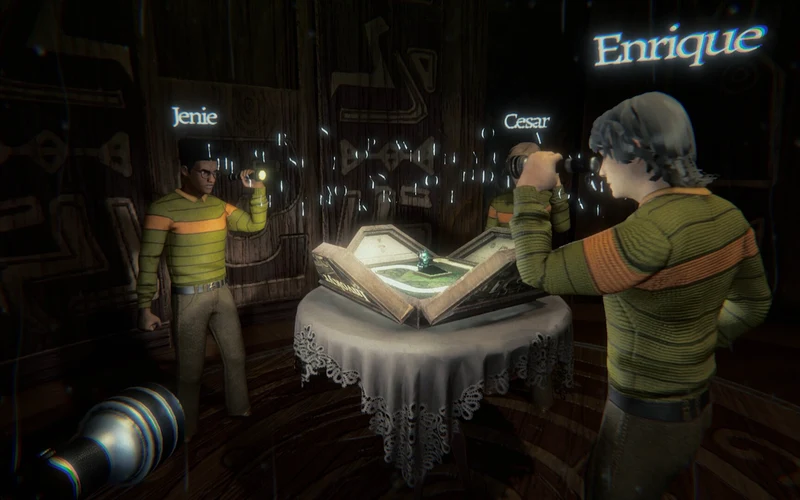
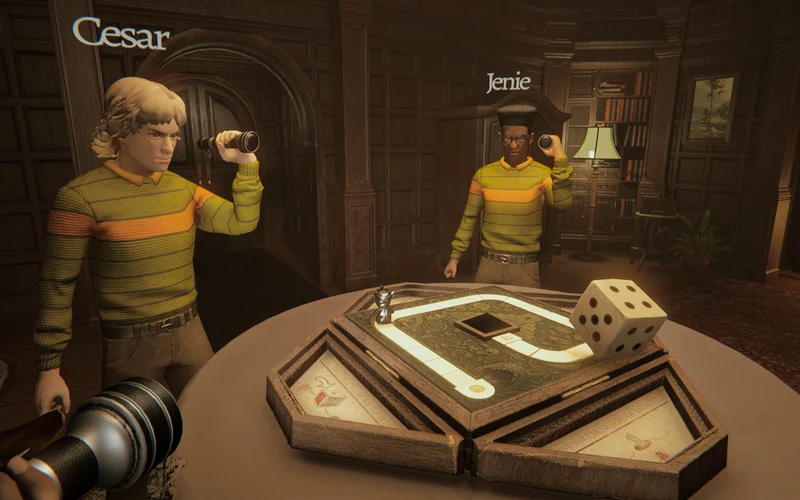
Evaluating these core protocols highlights why premature rolling causes team wipes. Because every roll permanently expends the die while simultaneously triggering unpredictable table events, summoning monsters, or shifting room traps, rolling without squad alignment invites disaster. Elite teams designate primary scouts to sweep adjacent rooms, establish clear return lanes, and pool recovered dice at the central table before initiating a rolling phase. This structured methodology guarantees that all six operatives are positioned defensively before the board unleashes its next challenge.
1.1 The Golden Rule of Dice Pooling
Never roll a die the moment you retrieve it; bring multiple dice back to the central board room so your squad can prepare defensive cover before triggering summons.
1.2 Distributing Specialized Dice
Keep high-value healing or concealing dice distributed between front-line runners and rear-guard anchors to ensure your squad retains utility even if an operative falls.
2. Squad Role Distribution & Buddy Pair Mechanics
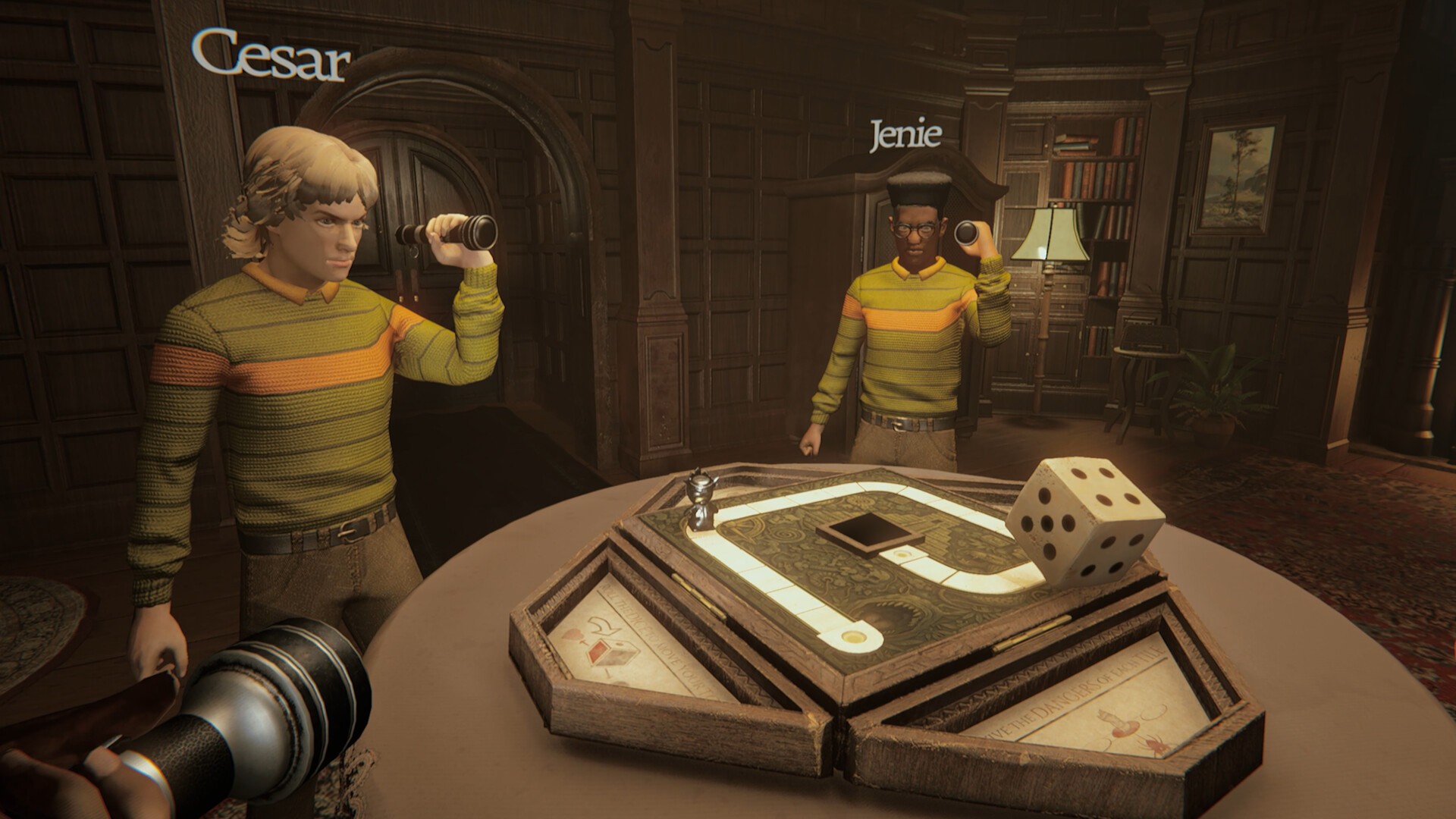
Cooperative play in Invokyr supports up to six players, providing ample roster capacity to implement specialized tactical responsibilities during every run.
| Tactical Squad Role | Primary Equipment & Responsibility | Operational Positioning | Key Failure Risk to Avoid |
|---|---|---|---|
| Table Anchor / Overseer | Board tracking, callouts, roll coordination | Central board room perimeter | Tunnel-visioning on the board |
| Lead Scout | Room probing, trap spotting, pathfinder | Forward edge of exploration | Outpacing buddy support |
| Dice Courier | Rapid pickup, inventory transport to table | Shuttle between rooms and table | Getting cut off in dead ends |
| Monster Spotter | Audio tracking, visual entity spotting | Rear guard / hallway intersections | Hesitating on retreat callouts |
| Rescue Specialist | Revive management, special dice deployment | Mobile secondary support | Overcommitting to lost positions |
Establishing distinct operational roles transforms chaotic matches into synchronized extraction operations. Rather than having all six operatives wandering aimlessly into dark wings, dividing the squad into two-person buddy pairs creates built-in redundancy and mutual protection. One pair remains stationed near the board to secure the table and track board state, while two exploration pairs sweep separate corridors. This role specialization prevents friendly collisions in narrow doorways and ensures prompt revives whenever an operative is ambushed.
2.1 The Two-Operative Buddy Rule
Never explore alone; moving in tethered pairs ensures that if one operative triggers a trap or encounters a lurking creature, the partner can immediately provide distraction.
2.2 Board Room Perimeter Defense
The central table room must remain clean of obstacles and monitored at all times, serving as the designated fallback rally point for all field operatives.
3. Monster Evasion & Environmental Awareness
Invokyr features fifteen or more distinct creatures at launch, each engineered with unique sensory behaviors and hunting patterns that demand tailored responses.
| Threat Class / Behavior | Primary Sensory Detection | Optimal Evasion Strategy | Critical Error to Avoid |
|---|---|---|---|
| Direct Visual Hunters | Line-of-sight tracking across corridors | Break line of sight behind solid doors | Running in straight open hallways |
| Territorial Lurkers | Proximity triggers near specific tiles | Give wide berth; path around room edges | Lingering in contested doorways |
| Sound-Sensitive Entities | Movement disturbance and door slams | Transition to slow walking; hold doors | Sprinting past dormant threats |
| Trapped Room Manifests | Tile-activation and supernatural curses | Inspect floorboards before entering | Blindly dashing toward shiny dice |
| Dynamic Table Summons | Immediate spawn upon board roll completion | Fall back to pre-planned defensive cover | Clumping tightly around the board |
Analyzing these encounter patterns underscores the importance of environmental awareness over raw speed. When a supernatural roar echoes through the manor following a dice roll, panicked sprinting often alerts multiple roaming horrors simultaneously. Instead, operatives should immediately scan for solid architectural cover, break direct visual line of sight, and allow roaming entities to complete their patrol cycles. Preserving stamina for short bursts between secure cover points dramatically increases evasion success rates across all four biomes.
3.1 Breaking Line of Sight
Most hostile creatures rely on continuous line-of-sight tracking; turning corners and closing wooden doors significantly degrades their pursuit momentum.
3.2 Reading Environmental Tells
Watch for subtle environmental anomalies such as flickering candle flames, chilling drafts, or whispering audio cues that signal a monster has entered your corridor.
4. Biome-Specific Survival Protocols
The four launch board themes—Haunted Manor, Jungle, Icy Mountain, and Desert—present distinct environmental hazards that dictate exploration pacing.
| Board Biome Environment | Unique Environmental Hazard | Navigation Bottleneck | Recommended Adaptation Strategy |
|---|---|---|---|
| Haunted Manor | Narrow hallways, creaking doors, dead ends | Doorway congestion during retreats | Memorize primary arterial corridors |
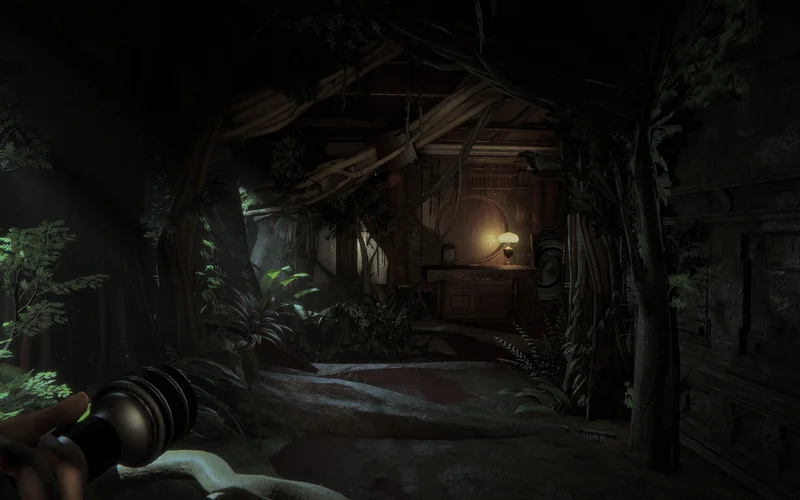
| Jungle Biome | Dense overgrowth, obscured pit traps | Low visual range, camouflaged threats | Move along established stone paths |
| Icy Mountain | Slippery footing, freezing temperatures | Impaired mobility, open drop-offs | Tread cautiously near precipices |
| Desert Biome | Shifting sands, expansive open chambers | Lack of close structural cover | Leap between ruined stone pillars |
Recognizing that each biome functions as an active participant in the survival challenge is critical for long-term consistency. In the Haunted Manor, tight confines make doorway management paramount; squads must avoid clogging exit frames when a retreat is sounded. Conversely, the open expanses of the Desert and Icy Mountain demand vigilant long-range spotting, as open terrain leaves little room to hide once pursuit begins. Adapting your movement tempo and spatial awareness to match the current biome preserves team cohesion.
4.1 Navigating the Icy Mountain Yeti Encounters
Move deliberately across ice bridges, avoid jumping near slippery cliffs, and keep sightlines open to detect large predators before they close the distance.
4.2 Surviving Jungle Overgrowth
Use environmental audio cues rather than visual scanning alone when navigating dense jungle rooms where foliage obscures creature movement.
4.3 Wardrobe Idol Physics & Collision Traps
A reported community hazard involves players becoming physically stuck inside wardrobes or closets when interacting with Cursed Idols:
Community Issue: “Stuck in Wardrobe when Idol dropped”
To prevent collision entrapment, never drop or exchange an idol while standing directly inside the door frame of a closet or wardrobe. Always step out onto open floor space before depositing items to ensure player hitboxes do not intersect with moving door geometry.
4.4 Rising Lava & Environmental Hazard Evacuation
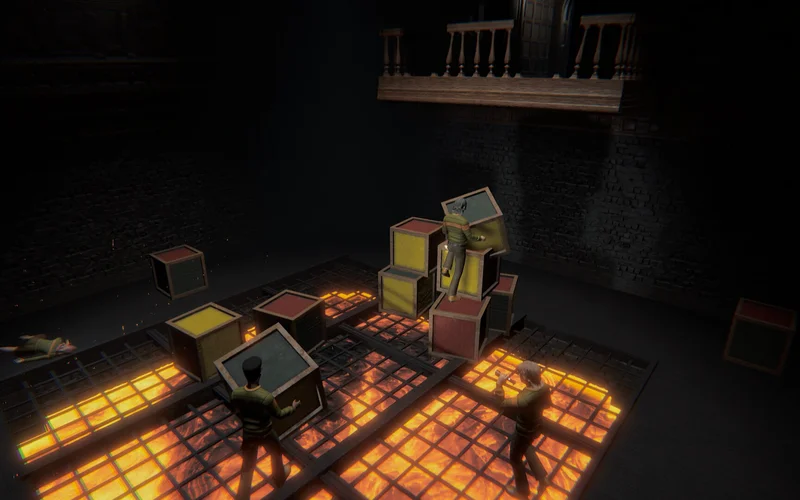
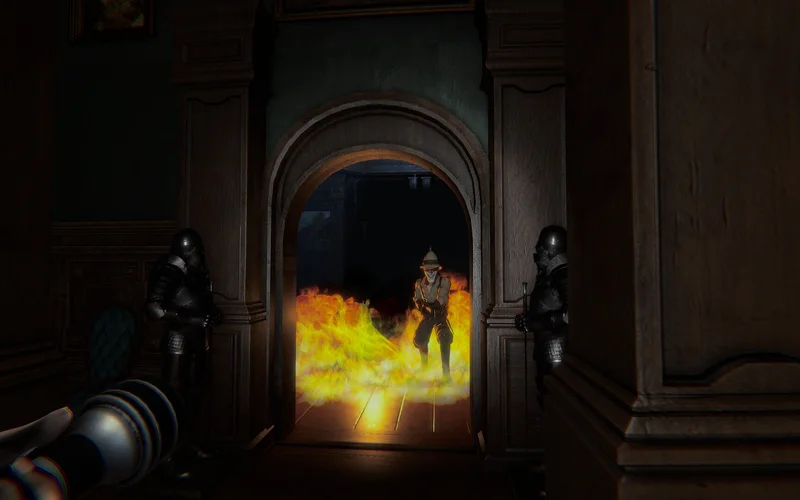
Among the 20+ supernatural events triggered across board sessions, environmental floor hazards like rising lava require rapid upward mobility. When room alarms or rumbling sound cues announce a ground-level hazard, immediately seek elevated terrain—such as library tables, stone pedestals, or stairways. Do not attempt to recover dropped dice from submerged floors until the hazard subsides.
4.5 Main Room Jump Puzzle Navigation
Multi-tier chambers featuring platform jump puzzles challenge operatives to reach elevated dice caches. Avoid full-sprint leaps onto narrow beams, which frequently cause overshoot falls. Instead, walk to the platform edge and execute a controlled stationary jump, conserving stamina for unexpected entity encounters upon landing.
4.6 Statue & Heavy Relic Wall Clipping Prevention
Transporting heavy stone statues, brass idols, or marble bust relics through narrow manor doorways carries a risk of collision mesh clipping:
Community Report: “Statue stuck in Wall”
If a heavy carryable object clips into drywall geometry, the physics engine can freeze interaction prompts. To prevent and resolve item clipping:
- Drop items facing perpendicular to walls: Never face directly into a doorway or partition when pressing the drop key; always drop items while looking toward the center of the room.
- Corner carry discipline: When carrying large relics around sharp 90-degree corridor bends, widen your turning radius so the item’s collision hull does not intersect the corner vertex.
- Recovery technique: If a statue becomes embedded in a wall, crouching and interacting with its protruding edge while moving backward frequently dislodges the item back into playable space.
4.7 Surviving the House Flip: Room Inversion & Spatial Re-Orientation
In advanced board sessions and high-threat supernatural events, player walkthroughs document the disorienting “House Flip” event:
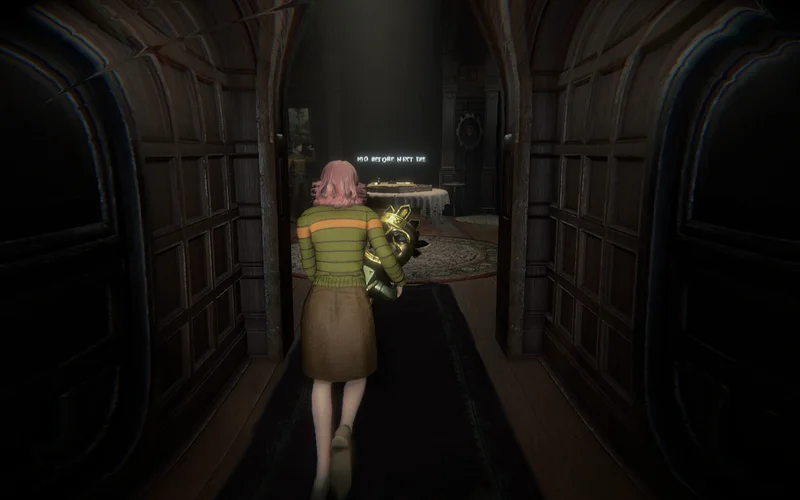
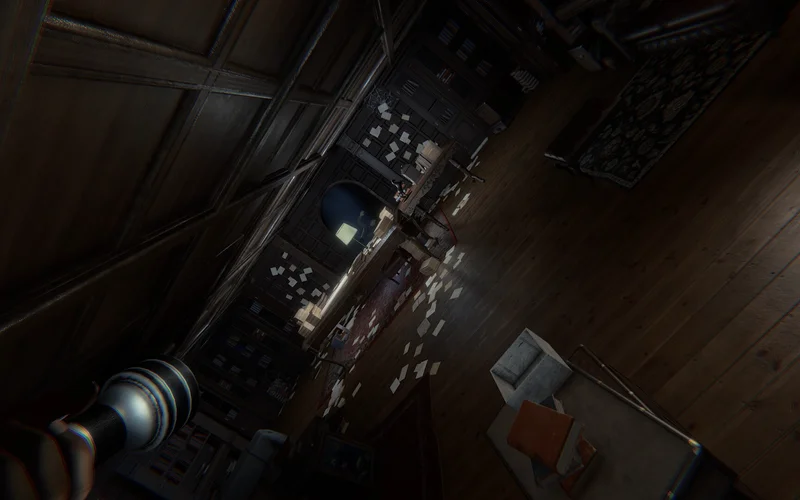
- The Inversion Anomaly: The Gamemaster can trigger architectural distortions where room orientations reverse, mirroring corridor layouts and causing acute compass confusion. Hallways that previously led back to the central gaming parlor may suddenly lead into unfamiliar side wings.
- Anchor Landmarks: During a house flip event, do not rely solely on memory of left-or-right turns. Use persistent physical landmarks—such as glowing candle chandeliers, distinct floor rugs, or chalk wall markings—to maintain your true bearing.
- Tethered Retreat: When an inversion occurs while exploring deep wings, stop forward movement immediately. Establish proximity voice contact with your buddy partner, orient toward the nearest exterior wall, and follow the outer perimeter corridor back toward the central table hub.
5. Hub Economy & Shop Progression Optimization
Surviving runs awards score currency that feeds into the persistent meta-loop at the in-game Shop, providing tangible upgrades for future expeditions.
| Shop Category | Recommended Early Unlocks | Strategic Gameplay Value | Priority Tier |
|---|---|---|---|
| Core Gadgets | Utility tools and pathfinding beacons | Speeds up dice recovery in complex wings | Priority 1 (Immediate) |
| Survival Upgrades | Stamina recovery and carry capacity perks | Enhances mobility during high-threat pursuits | Priority 1 (Immediate) |
| Estate Furniture | Hub customization and atmospheric decor | Long-term achievement display and aesthetic | Priority 3 (Late Game) |
| Advanced Tools | Specialized scanning and threat alert items | Crucial for tackling deeper difficulty boards | Priority 2 (Mid-Progression) |
| House Rules Modifiers | Custom game rules and challenge variants | Unlocks higher risk-reward score multipliers | Priority 2 (Mid-Progression) |
Evaluating this investment pipeline clarifies how smart spending accelerates your squad’s progression curve. In the early stages of Early Access, prioritize functional gadgets and mobility upgrades that directly improve survivability during active runs. Investing score in utility equipment pays immediate dividends by shortening exploration times and reducing casualty rates. Once your squad consistently extracts from standard boards, redirect excess score into unlocking custom House Rules to tackle more lucrative challenge contracts.
5.1 Prioritizing Utility Gadgets Over Hub Decor
Invest your initial survival score into items that enhance stamina, lighting, or navigation before allocating funds to cosmetic mansion furnishings.
5.2 Unlocking Chaotic House Rules
Once your squad masters baseline mechanics, activate custom House Rules to dramatically increase score payouts and unlock prestigious end-game rewards.
More tactical references and survival insights are cross-referenced on the Invokyr Wiki homepage.
6. Pre-Roll Checklist & Crisis Management Protocol
To minimize team wipes during intense endgame sessions, execute this standardized pre-roll checklist before every tabletop interaction.
| Checklist Stage | Operational Directive | Verification Condition | Responsible Operative |
|---|---|---|---|
| Step 1: Perimeter Sweep | Clear immediate board room corridors | No active entities within hearing range | Table Anchor |
| Step 2: Squad Regroup | Verify all operatives are in position | Minimum 4 players present at table | Lead Scout |
| Step 3: Retreat Route Check | Ensure primary exit doors are unblocked | Main withdrawal path clear of obstacles | Monster Spotter |
| Step 4: Special Dice Audit | Confirm defensive dice are primed | Healing or concealment dice ready | Rescue Specialist |
| Step 5: Roll Execution | Roll designated die and call out result | Immediate verbal alert to entire squad | Designated Roller |
Adhering to this disciplined pre-roll protocol prevents the common panic spirals that doom uncoordinated squads. When a cursed roll triggers an unexpected monster manifestation or room lockout, having pre-cleared retreat pathways ensures everyone knows precisely where to fall back without hesitating. Maintaining calm communication, calling out entity positions clearly, and trusting your designated role turns even the most harrowing Gamemaster surprises into thrilling, survivable extraction triumphs.
6.1 The 10-Second Post-Roll Freeze
Immediately after a roll resolves, pause for ten seconds to listen for audio cues and observe lighting shifts before resuming movement.
6.2 Tabletop Dice Edge Physics & Snag Workarounds
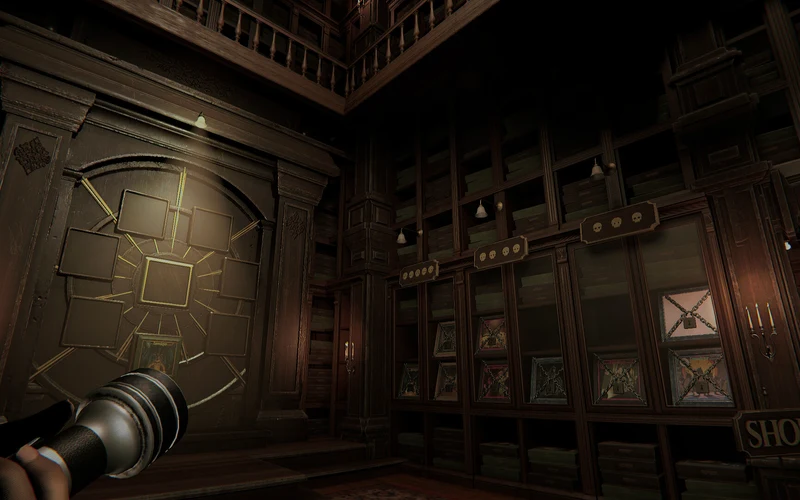
During tense rolling rituals at the central tabletop, thrown dice can occasionally tumble onto the raised wooden border of the 1970s board or lodge against the Gamemaster’s reliquary box:
- The Problem: A thrown die balances on an edge or wedges between table decorative props, failing to resolve a flat face and freezing turn progression.
- Workaround Protocol:
- Have an operative walk up to the table edge and initiate an interaction bump by gently moving against the table collider.
- If the prompt does not reset, have a teammate equipped with an item cast a secondary standard movement die nearby; adjacent physics collisions often jog the trapped die into an authoritative flat state.
- Avoid throwing dice while sprinting or jumping toward the table surface; stationary throws down the center felt alley produce reliable outcome triggers.
Deduction based on genre-standard tactical psychological horror, extraction, and tabletop survival mechanics; subject to release verification.
7. Official Video Forensics & Visual Engine Verification
7.1 Official Video Forensics & Visual Engine Verification
Official gameplay trailers and developer partner broadcasts showcase the delicate balance between dice rolling, room exploration, and creature evasion in Invokyr. In accordance with strict site integrity protocols, unverified commentary channels and third-party exploit tutorials are excluded from this guide. Reviewing official gameplay footage verifies the physical tabletop interactions, 6-player lobby dynamics, and the tactical necessity of coordinating withdrawals before rolling.
Frequently Asked Questions (FAQ)
What is the most important tip for beginners in Invokyr?
Never roll dice the moment you find them. Bring recovered dice back to the central board room, assemble your squad, and clear your escape routes before rolling.
Can you reuse dice in Invokyr?
No, all recovered dice are strictly single-use only. Once rolled at the table, the die is permanently consumed for that run.
How does death work in Invokyr multiplayer?
Death is not always the end in Invokyr. Fallen teammates can be revived or supported by surviving squadmates depending on active board rules and special dice.
What should I spend my score on first in the Shop?
Prioritize utility gadgets and survival upgrades that enhance stamina and navigation before spending score on cosmetic furniture for your hub.
How many players can play together in Invokyr?
Invokyr supports online cooperative multiplayer for up to 6 players, allowing squads to distribute roles like scouting, carrying, and perimeter defense.
How do you avoid getting stuck in wardrobes when dropping an idol?
To prevent collision clipping, never drop or exchange a Cursed Idol while standing inside the door arc of a wardrobe or closet. Step out onto open floor tiles before dropping items.
How do you survive the rising lava event in Invokyr?
When an environmental floor hazard or rising lava event triggers, immediately climb onto elevated furniture, stone pedestals, or stairwells. Remain on high ground until the hazard subsides.